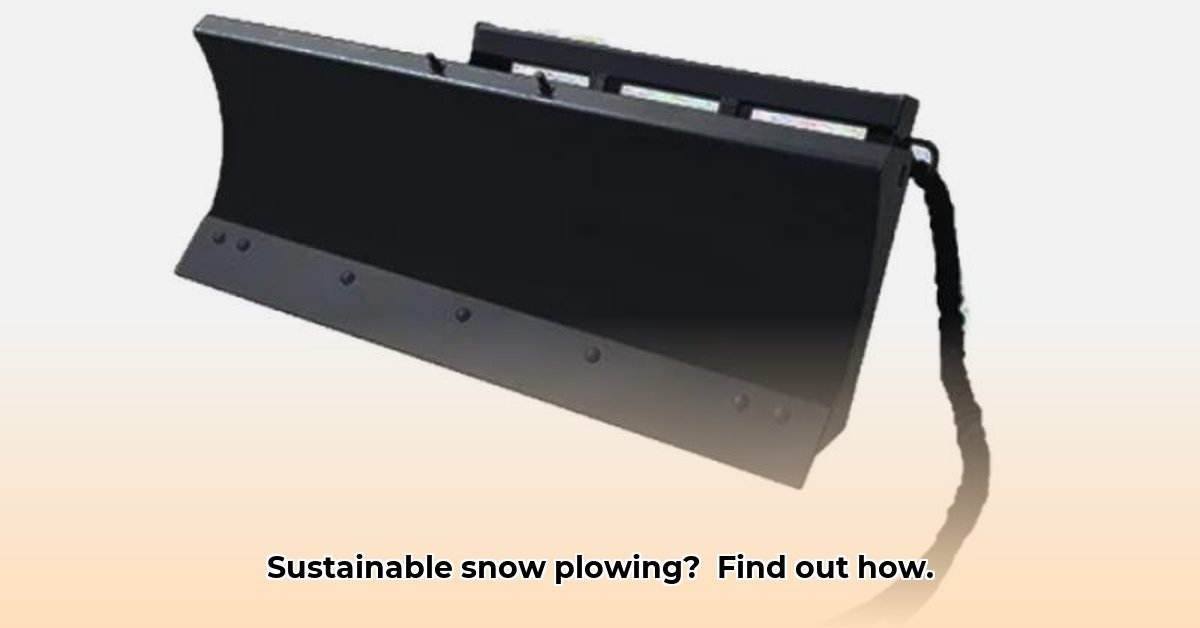
Winter's harsh conditions can significantly impact sustainable farming operations. Efficient snow removal is crucial for protecting crops, preserving soil health, and minimizing operational disruptions. This guide provides a practical framework for selecting and utilizing snow plow tractors to ensure the continued success of your sustainable agriculture practices. We'll explore key considerations for choosing the right equipment, implementing effective snow removal strategies, and emphasizing the long-term value of proactive maintenance. For more information on snow thrower tractors, check out this helpful resource.
Matching Your Plow to Your Farm: Optimizing Equipment Selection
Selecting the correct snow plow for your tractor is paramount for efficient snow removal and minimizing soil damage. Several key factors influence this decision. For instance, did you know that improper plow selection can lead to up to a 20% reduction in operational efficiency?
Farm Size and Scale: Smaller farms may find a smaller, lighter-duty plow attached to a compact tractor sufficient. Larger operations with extensive acreage will, however, require a heavier-duty plow mounted on a significantly more powerful tractor. This directly impacts both efficiency and the overall effectiveness of snow removal efforts.
Regional Snow Conditions: Frequent, light snowfalls demand a different plow design than infrequent but heavy snowstorms. Consider plow width, blade material, and mounting system—all critical considerations influenced by your specific climate. The wrong plow can lead to significant delays and damage.
Budget and Long-Term Investment: While initial investment costs vary, remember that selecting a high-quality, appropriately sized plow minimizes long-term repair costs and maximizes operational life. A well-maintained plow can last for over a decade.
Choosing the Right Plow: Essential Features and Considerations
The performance of your snow removal system hinges on several key features. Let's examine them in detail:
Plow Width: A wider plow (e.g., 8-10 feet) clears more area faster, improving efficiency. However, wider plows are less maneuverable, requiring more space and skill. Smaller farms may opt for narrower plows (e.g., 6-8 feet) to improve maneuverability. The optimal width depends on your field layout and tractor capabilities.
Blade Material: Steel blades offer exceptional durability and longevity but can contribute to soil compaction. Polymer (plastic) blades are gentler on the soil, aligning better with sustainable practices, although they may require replacement more frequently. Dr. Anya Sharma, Agricultural Engineer at Cornell University, states, "Choosing the right blade material is crucial for minimizing soil disturbance. Polymer blades offer a significant advantage in reducing compaction compared to steel blades."
Mounting System: Hydraulic mounting systems provide superior adjustability, allowing changes to blade angle and height for varying snow conditions. Manual systems are simpler and less expensive but offer less flexibility. Hydraulic systems offer greater precision and adaptability to diverse snow conditions.
Tractor Compatibility: Ensure your chosen plow is compatible with your tractor's horsepower and three-point hitch system. Incorrect matching can lead to compromised performance, potential damage, and safety hazards. Always consult your tractor's specifications before purchasing a plow.
Protecting Your Soil: Sustainable Snow Removal Practices
Soil health is paramount in sustainable agriculture. Improper snow removal can lead to soil compaction, hindering water infiltration and aeration, ultimately impacting crop yields. Minimizing soil disturbance is essential for long-term soil health.
Minimize Passes: Instead of a few heavy passes, make several lighter passes. This strategy significantly reduces soil compaction without sacrificing snow removal effectiveness.
Choose Polymer Blades: Polymer blades are known to minimize soil disturbance, promoting healthy soil structure compared to steel blades.
Strategic Snow Piling: Locate snow piles carefully to avoid hindering drainage or damaging crops. Thoughtful snow placement prevents additional problems.
Smart Snow Removal Strategies: Optimizing Techniques for Efficiency
Effective snow removal extends beyond the equipment itself. Strategic techniques are equally important for efficient and sustainable operations.
Strategic Timing: Remove snow only when necessary, avoiding unnecessary trips that can negatively impact soil structure. Timing your efforts is key to preserving soil health without compromising productivity.
Overlapping Passes: Overlapping passes ensures thorough snow removal and better coverage. Precise maneuvering is just as important as the equipment itself.
Proper Snow Disposal: Careful positioning of snow piles is essential to prevent drainage issues or crop damage. Proper snow disposal is crucial for the overall health of your farm.
Keeping Your Equipment in Top Shape: Proactive Maintenance
Regular maintenance extends the lifespan of your snow plow and tractor, resulting in long-term cost savings and increased operational efficiency.
Regular Inspections: Frequent inspections reveal minor issues before they escalate into major repairs. Proactive checks can save you significant time and money in the long run.
Lubrication: Proper lubrication of moving parts is crucial for smooth operation and extended equipment life. Regular lubrication is a simple yet effective practice.
Storage: Proper storage protects your equipment from the elements, preventing corrosion and damage. Appropriate storage is vital for preserving your investment.
The Cost-Benefit Analysis: Investing in Your Farm's Future
The initial investment in a high-quality snow plow and tractor may seem substantial. However, consider the long-term benefits: increased efficiency, minimized soil compaction, reduced crop damage, and decreased future repair costs. This proactive approach protects the health of your farm and ensures long-term sustainability. It’s not merely an expense; it's a strategic investment in your farm's future.
This comprehensive guide provides a framework for optimizing your snow plow tractor supply, emphasizing sustainable practices that contribute to the long-term health and profitability of your farm. Remember that selecting the right equipment, employing efficient techniques, and adhering to a proactive maintenance schedule is essential for achieving optimal results while prioritizing environmental stewardship.